



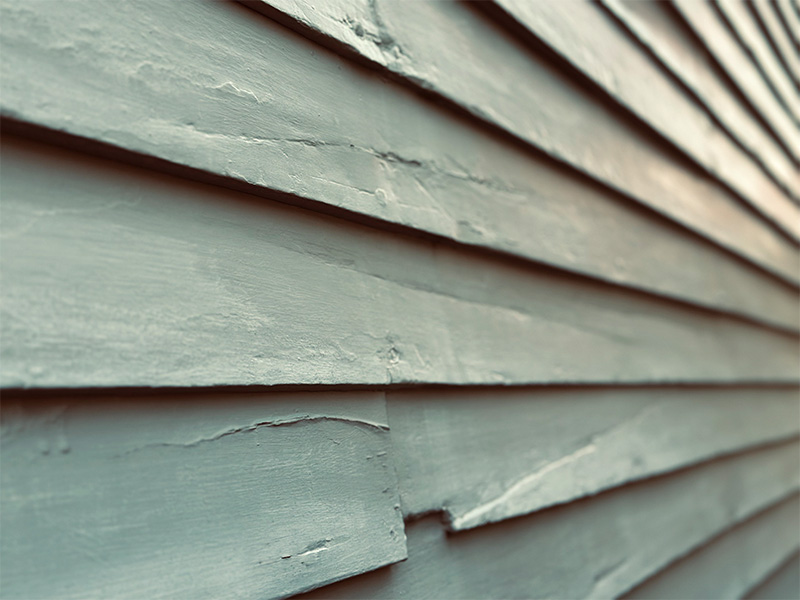
Your siding does more than shape the appearance of your home. It helps protect the structure underneath from moisture, wind, temperature changes, and everyday weather exposure. When siding starts to crack, warp, or fade, those changes may look cosmetic at first, but they can also signal problems that deserve a closer look.
Knowing what causes siding damage can help you decide whether you’re dealing with normal aging, a repairable issue, or something more serious. The sooner you understand what’s happening, the easier it is to protect your home and make the right decision about repairs or replacement.
Why Siding Damage Happens
Your siding is exposed to sunlight, rain, wind, humidity, debris, and temperature swings throughout the year. Over time, those conditions can affect both the appearance and performance of the material.
Damage may also develop unevenly. A wall that gets strong afternoon sun may fade faster, while a shaded area may stay damp longer after rain. Sections around windows, doors, rooflines, and gutters can also experience different stresses, so the location of the damage often provides clues about the cause.
What Causes Siding to Crack?
Cracked siding is one of the easier forms of damage to spot. A small crack may not seem urgent, but any opening in the exterior can create a path for moisture, insects, or debris.
Impact From Storms or Debris
Physical impact can crack, chip, or puncture siding. Hail, falling branches, windblown debris, and accidental contact from lawn equipment are all possible causes.
Major storm damage may be obvious, but smaller fractures can be harder to see from the ground. After severe weather, check the areas most exposed to wind, trees, and flying debris.
Expansion and Contraction
Many siding materials expand as temperatures rise and contract as they fall. Proper installation allows room for that movement.
If siding is fastened too tightly or installed without enough space to shift naturally, repeated temperature changes can place stress on the material. Over time, that stress may contribute to cracking or panels moving out of position. Cold weather can also make some materials more brittle and more vulnerable to impact.
Age and Deterioration
As siding gets older, years of sunlight, moisture, wind, and temperature changes can gradually reduce its flexibility and durability.
One isolated crack may be repairable, but cracking in several areas can point to broader deterioration. If panels are becoming brittle or repeatedly developing new damage, individual repairs may only provide a temporary fix.
What Causes Siding to Warp or Buckle?
Warped siding can look wavy, bowed, raised, or uneven along the wall. In many cases, warping points to a physical change in the material or the surface behind it.
Improper Installation
Siding needs enough room to respond to temperature changes. If panels are secured too tightly, they may not be able to expand and contract as intended.
Pressure can build as the material moves, causing sections to buckle outward, shift, or become visibly distorted. Proper installation plays a major role in how well siding performs over time.
Excessive Heat
Heat can contribute to siding distortion, especially on walls that receive prolonged direct sunlight.
If warping appears in only one area, look at what surrounds that section of the home. Intense sun exposure or nearby reflective surfaces may be increasing the temperature of that wall.
Moisture Behind the Siding
Warping or bulging can sometimes indicate that moisture has reached the material behind the siding.
If that underlying material swells or deteriorates, the siding may begin to look uneven from the outside. In that situation, replacing only the visible panel may not solve the underlying problem.
What Causes Siding to Fade?
Fading usually happens more gradually than cracking or warping. Because the change occurs slowly, you may not notice it until you compare an exposed area with one that’s been protected from sunlight.
UV Exposure
Sunlight is one of the main causes of siding discoloration. Over time, ultraviolet exposure can affect the pigments in exterior materials.
Walls that receive strong, direct sunlight may fade faster than shaded areas. Fading by itself doesn’t necessarily mean the siding has failed, but it can make the exterior look uneven or worn.
Natural Aging
Even siding that remains structurally sound can change in appearance as it gets older.
Years of weather exposure, dirt, sunlight, and routine cleaning can gradually affect the original finish. When fading appears alongside cracking, brittleness, looseness, or warping, it may indicate more advanced wear.
Dirt and Surface Buildup
Not every color change is true fading. Dirt, pollen, mildew, and other buildup can make siding look dull or discolored.
Before assuming the finish has permanently changed, determine whether the area simply needs proper cleaning. Use a method that’s appropriate for your siding material, since overly aggressive cleaning can damage the surface.
Why Moisture Makes Siding Problems Worse
Moisture is one of the main reasons damaged siding shouldn’t be ignored. Cracks, gaps, loose panels, and damaged areas around openings can create places where water gets behind the exterior surface.
Areas worth watching closely include:
- Windows and doors
- Roof and wall intersections
- Corners and trim
- Areas below gutters
- Loose or separated panels
You may not see the effects right away. That’s why identifying the source of moisture matters just as much as repairing what’s visible from the outside.
How to Spot Siding Problems Early
Routine maintenance can’t prevent every siding issue, but it can help you catch problems before they become more extensive. A visual check a few times each year, along with another look after severe weather, can make a big difference.
Watch for:
- New cracks or chips
- Loose or missing panels
- Warped sections
- Open seams or gaps
- Unusual discoloration
- Damaged trim
You should also keep branches and dense vegetation from rubbing against the siding. Gutters should direct water away from the walls rather than allowing it to overflow or drain against the exterior.
The goal isn’t to diagnose every problem yourself. It’s to notice changes early enough that they can be evaluated before they spread.
Should Damaged Siding Be Repaired or Replaced?
Not every cracked, warped, or faded panel means you need to replace all of your siding. If the damage is limited to one area and the surrounding siding is still in good condition, repair may be possible.
Replacement becomes more worth considering when you notice:
- Damage across several areas
- Frequent recurring repairs
- Brittle or aging panels
- Widespread warping
- Ongoing moisture concerns
Older siding can also become harder to match. Even if a similar product is available, years of sun and weather exposure may make new material look different from the existing siding.
The right approach depends on the age of the siding, the extent of the damage, and whether the problem is isolated or continuing to spread.
When to Call a Siding Professional
If you’re seeing damage in multiple areas, noticeable warping, loose panels, persistent moisture, or gaps around trim and openings, a professional inspection can help determine what’s happening.
You may also want an inspection after severe weather if you suspect storm damage. Not every crack or impact mark is obvious from the ground, and some problems are easier to identify once they begin affecting a larger area.
Our team can evaluate the visible damage and help determine whether you’re dealing with a localized issue, normal aging, or a larger siding concern. We can also explain whether repair or replacement makes the most sense based on the condition of your home.
Protect Your Home With Professional Siding Service
Cracked, warped, or faded siding can tell you a lot about how your exterior is aging. Some changes are mostly cosmetic, while others may point to impact damage, moisture exposure, installation problems, or siding that’s reaching the point where repairs are becoming less practical.
The key is knowing which situation you’re dealing with before a small issue grows into a larger one. If you’ve noticed changes in your siding, we can help evaluate the condition of your exterior and explain your options so you can make an informed decision.
Contact AC Matthews Roofing & Exteriors today to schedule a siding inspection and find out what’s causing the damage.