



Summer heat can affect your roof even when there hasn’t been a major storm or visible leak. As shingles absorb sunlight throughout the day, heat can also build inside your attic and place additional stress on the roofing system.
That stress usually doesn’t cause a healthy roof to fail overnight. Instead, it can speed up normal wear, worsen existing weaknesses, and make older materials more vulnerable to summer storms.
By knowing which warning signs to watch for, you can catch developing problems before they lead to leaks, interior damage, or more costly repairs.
How Summer Heat Affects Your Roof
Your roof is designed to handle seasonal weather, but repeated exposure to high temperatures and ultraviolet radiation can gradually weaken roofing materials. The longer those materials remain exposed, the more likely they are to lose flexibility, loosen, or develop small openings.
During the day, shingles, flashing, and sealants heat up and expand. After sunset, they cool and contract. Although this movement is normal, years of repeated temperature changes can make aging materials brittle or less secure.
Heat can also build beneath the roof. If your attic doesn’t have balanced airflow, hot air may remain trapped near the roof deck and place added stress on the roofing materials above it.
Several factors affect how much heat your roof absorbs and retains, including:
- Roof color and material
- Direct sun exposure
- Attic ventilation
- Insulation and air sealing
- Roof age and condition
- Installation quality
Because these conditions vary from home to home, two nearby roofs may respond differently to the same summer weather. In many cases, heat doesn’t create a problem by itself. It simply makes an existing weakness easier to notice.
1. Curling, Buckling, or Lifted Shingles
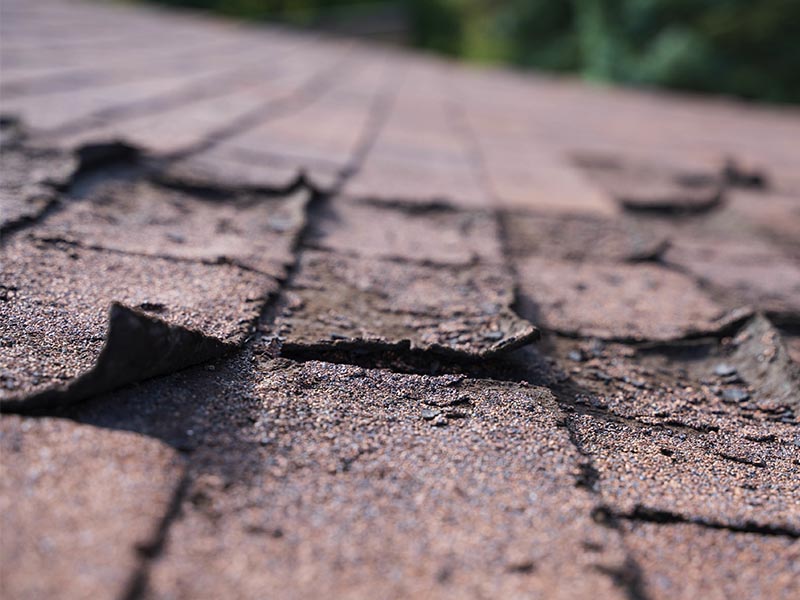
Shingles should lie flat against the roof and create a consistent barrier against rain. When the edges curl upward, the centers buckle, or individual tabs lift, that barrier becomes less dependable.
Long-term sunlight exposure can dry out asphalt shingles and reduce their flexibility. If the attic is also holding excessive heat, the shingles may experience stress from both above and below, especially when they’re already aging.
Lifted shingles can also result from wind damage, improper fastening, or installation issues. Whatever the cause, raised areas may allow wind-driven rain to reach the roofing layers underneath.
You may be able to spot severe curling or lifting from a safe position at ground level, particularly along roof edges or slopes that receive direct afternoon sun. Binoculars can help you see more detail without approaching or accessing the roof.
Don’t use a ladder or attempt to walk on the roofing surface to investigate. Our team can safely inspect the affected area and determine whether the problem is limited to a few shingles or extends across a larger section of the roof.
2. Cracked or Brittle Shingles
Asphalt shingles need some flexibility to handle temperature changes, high winds, and minor impacts. Over time, ultraviolet exposure can dry the material and make it increasingly brittle.
Once that happens, cracks may develop along the edges or across the face of the shingle. These openings may appear small, but they can allow water to move beneath the roof covering during a heavy summer storm.
Brittle shingles are also more likely to break when exposed to hail, falling branches, or strong wind. A roof with widespread cracking may therefore be more vulnerable during severe weather than one with only isolated wear.
A few damaged shingles may be replaceable if the surrounding materials remain in good condition. When cracking appears across several slopes, however, we can evaluate the roof as a whole and help you determine whether repair or replacement offers better long-term value.
3. Excessive Granules in Your Gutters
The granules on asphalt shingles do more than create color and texture. They help shield the asphalt layer from ultraviolet radiation and reduce the effects of everyday weathering.
Some granule loss is normal. New shingles may shed loose material after installation, and strong storms can wash additional granules into the gutters.
A large or recurring buildup is more concerning. You may notice coarse, sand-like material inside the gutters or near the base of your downspouts after it rains.
You may also see dark or smooth patches on the roof when viewing it from the ground. These areas can indicate that the protective surface has worn away and exposed more of the asphalt beneath. As more asphalt becomes exposed, the shingles absorb additional heat and may deteriorate faster.
Granule loss can result from several causes, including:
- Normal aging
- Hail or storm damage
- Heavy foot traffic
- Defective roofing materials
- Long-term sunlight exposure
Because the cause isn’t always obvious from the ground, we can inspect the pattern of wear and determine whether the issue is limited to one area or affecting the broader roofing system.
4. Damaged Flashing or Sealant
Flashing protects the areas where your roof meets another surface or structure. You’ll commonly find it around chimneys, skylights, vents, valleys, and roof-to-wall connections.
These locations are especially vulnerable because water naturally flows toward or around them. Even a narrow gap can allow moisture to move beneath the roof covering and into the layers below.
Heat can cause nearby materials to expand at slightly different rates. As that movement continues over time, flashing may loosen, fasteners may shift, and older sealants may crack or shrink.
Visible warning signs from inside or at ground level can include:
- Bent or displaced metal flashing
- Cracked roofing cement
- Gaps around vents or chimneys
- Loose material near wall connections
- Water stains below skylights or roof penetrations
Covering the area with surface caulk may not solve the underlying issue. We can inspect the full connection, identify where water may be entering, and repair the flashing and surrounding materials as needed.
5. An Overheated or Humid Attic
Your attic can reveal roof-related problems that aren’t visible from outside. Although an unfinished attic will normally feel warmer than your living space, extreme heat or heavy humidity may point to poor airflow.
A balanced ventilation system allows fresh air to enter through intake vents near the lower part of the roof. As the air warms, it rises and exits through exhaust vents near the top.
When this airflow is blocked or unbalanced, hot air remains trapped beneath the roof deck. Over time, that buildup can contribute to higher attic temperatures and place added stress on shingles, decking, insulation, and other materials.
Common ventilation problems include:
- Insulation covering soffit vents
- Damaged ridge or roof vents
- Too little intake ventilation
- Debris or animal nests blocking airflow
- Incorrectly installed ventilation components
A powered attic fan isn’t always the right solution. If the rest of the ventilation system isn’t properly balanced, the fan may interfere with natural airflow or pull conditioned air from your living space.
We can evaluate the full ventilation system and determine whether the problem involves blocked vents, insufficient intake, damaged exhaust vents, or another attic condition.
6. Higher Cooling Costs or Hot Upstairs Rooms
Your roofing system isn’t the only factor that affects summer comfort. HVAC performance, windows, ductwork, insulation, air sealing, and thermostat settings all influence how efficiently your home stays cool.
However, attic heat may contribute to the problem when it isn’t managed properly. You may notice that upstairs rooms remain warm, the air conditioner runs for long periods, or certain areas of the home are consistently hotter than others.
Other possible warning signs include:
- Large temperature differences between floors
- Warm ceilings or upper walls
- Rooms that stay hot into the evening
- Cooling bills that rise unexpectedly
These symptoms don’t automatically mean the roof is damaged. They may instead point to restricted attic ventilation, inadequate insulation, air leaks, or a combination of several issues.
We can inspect the roof and attic ventilation components to determine whether the roofing system is contributing to the heat buildup. When appropriate, we may also recommend having the insulation or HVAC system evaluated.
7. Water Stains or Attic Moisture
Heat-related roof wear becomes more serious once it allows water into your home. A small opening around a shingle, vent, chimney, or flashing detail may admit rain during a summer thunderstorm.
The first sign isn’t always an active drip. Water can travel along rafters or roof decking before it becomes visible, which means the stain inside your home may be several feet away from the original opening.
You may notice:
- Ceiling discoloration
- Peeling paint
- Damp insulation
- Darkened wood
- Rusted roofing nails
- Musty attic odors
If you check the attic after heavy rain, use proper lighting and stay only in safe, accessible areas. Avoid stepping between framing members, and stay away from wet materials near electrical wiring.
Because moisture can damage wood, drywall, insulation, paint, and interior finishes, you shouldn’t wait for a small stain to spread. We can trace the likely source of the leak, inspect the affected roofing components, and recommend the appropriate repair.
Why Some Roofs Are More Vulnerable to Summer Heat
Not every roof responds to summer heat in the same way. The roof’s age, material, installation quality, attic conditions, and level of sun exposure all influence how quickly heat-related wear develops.
Roof Age
Older shingles have already endured years of sunlight, rain, wind, and temperature changes. As they lose granules and flexibility, they become less able to handle additional stress.
Age alone doesn’t determine whether you need a replacement. It should be considered alongside visible deterioration, recurring leaks, and the roof’s repair history.
A newer roof with one affected area may need only a targeted repair. An older roof with widespread cracking, granule loss, and repeated leaks may require a more comprehensive solution.
Sun Exposure
A roof with little shade may absorb direct sunlight for much of the day. Its direction, nearby trees, surrounding structures, and material color all affect how much heat it receives.
Darker roofing materials may absorb more heat than lighter or more reflective products. However, color is only one factor, and it shouldn’t outweigh material quality, proper installation, or overall product performance.
When replacement becomes necessary, we can explain how different roofing options perform in local summer conditions and help you compare materials for your home.
Ventilation and Insulation
Ventilation, insulation, and air sealing all affect attic performance, but they serve different purposes.
Ventilation moves heat and moisture out of a vented attic. Insulation slows heat transfer into your living space, while air sealing limits unwanted airflow through gaps around ducts, wiring, fixtures, and attic access points.
Improving one part of the system won’t automatically correct problems with the others. We can evaluate the attic ventilation and identify whether blocked vents, poor airflow, or roofing conditions are contributing to excessive heat.
Installation Quality
Improper installation can create weak points that worsen over time. Incorrect nail placement, poor flashing details, restricted ventilation, and poorly sealed penetrations may not cause immediate failure.
As the materials expand, contract, and endure summer storms, those weaknesses can become more noticeable. That’s why our inspections look at the complete roofing system rather than only the visible shingle surface.
How to Protect Your Roof During Summer
You can’t prevent your roof from heating up, but you can reduce the chance that a developing problem goes unnoticed.
Check the Roof From the Ground
Look for missing, curled, lifted, or uneven shingles from a safe position at ground level. You can also watch for visible flashing damage or leaves and branches collecting in roof valleys.
Binoculars may help you see more detail without approaching or accessing the roof. Don’t use a ladder or walk on the roofing surface to investigate a suspected problem.
When something looks unusual, we can safely inspect the area and determine whether repairs are needed.
Keep Gutters and Downspouts Clear
Gutters and downspouts help sudden summer rain drain away from your home.
When gutters overflow, water may reach the fascia, soffits, siding, or foundation. Debris can also cause water to back up near the roof edge, increasing the chance of moisture reaching vulnerable materials.
Only clean gutters from a safe, stable position. When the gutters are difficult to access, consider hiring a qualified gutter-cleaning service rather than attempting the work yourself.
Trim Nearby Branches
Branches that touch the roof can scrape shingles and wear away protective granules. Overhanging limbs may also break during strong winds or thunderstorms.
Tree work near power lines, upper stories, or steep roof areas should be completed by a qualified tree service. You shouldn’t climb onto the roof to reach or remove branches.
Watch for Interior Changes
Pay attention to new stains, musty odors, unusual humidity, and rooms that become harder to cool.
These changes may have several possible causes, but they shouldn’t be ignored. We can inspect the roof and attic components to determine whether the roofing system is contributing to the problem.
Consider scheduling an inspection with AC Matthews when:
- You see visible shingle damage from the ground
- Your roof has a history of leaks
- A severe storm has passed through
- Your attic feels unusually hot or damp
- You find water stains or wet insulation
- Your roof is older, and repairs are becoming more frequent
An inspection allows us to identify vulnerable areas before the next storm makes them worse.
Should You Repair or Replace a Heat-Damaged Roof?
The right solution depends on the extent of the damage and the overall condition of your roof. A repair may be appropriate when the problem is limited to a few shingles, one flashing area, or a single leak.
Replacement may make more sense when damage appears across multiple areas, leaks are recurring, or the roof has become increasingly difficult to maintain. We can inspect the system, explain what’s causing the problem, and help you choose the most practical next step for your home.
Schedule a Roof Inspection Before Damage Spreads
Summer heat can accelerate shingle wear, stress vulnerable roofing components, and worsen problems that are already developing. Watching for curling shingles, granule loss, attic heat, damaged flashing, and moisture can help you act before the damage becomes more extensive.
AC Matthews Roofing & Exteriors provides roof inspections, repairs, and replacements throughout Maryland and Southern Pennsylvania. We’ll evaluate your roofing system, clearly explain its condition, and recommend an appropriate solution.
Contact AC Matthews today to schedule your free roof inspection and address potential damage before it leads to more expensive repairs.