



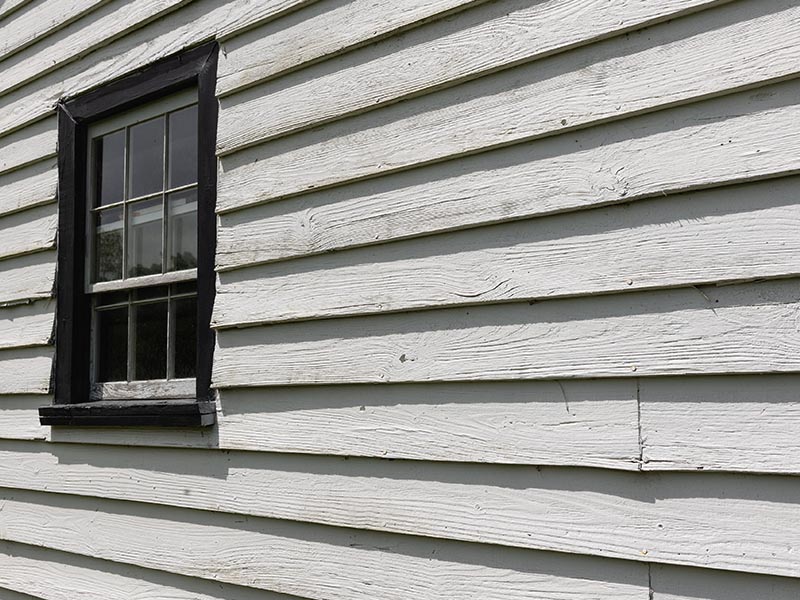
Siding problems rarely begin with one dramatic failure. More often, they develop slowly through cracks, loose panels, fading, recurring stains, or repairs that seem to become more frequent each year.
Because your siding covers such a large portion of your home, gradual changes can be easy to overlook. However, once damage becomes widespread, your siding may no longer protect the wall system as effectively as it should.
Recognizing the warning signs early can help you prevent moisture damage, avoid repeated repair costs, and decide whether siding replacement is the right next step for your home.
What Your Siding Does for Your Home
Your siding plays an important role in your home’s appearance, but curb appeal is only part of its purpose. It also helps protect your exterior walls from rain, wind, pests, debris, and changing temperatures.
When your siding is secure, it works with your trim, flashing, and weather-resistant barrier to direct water away from the structure. Once panels crack, separate, or deteriorate, that protection becomes less dependable.
A small, damaged area may only need a targeted repair. Replacement becomes more likely when problems appear across several walls, continue returning, or reveal moisture damage behind the surface.
1. Cracks and Gaps Are Spreading
One small crack may result from an isolated impact. Cracks across several sections of your home usually point to broader aging, brittleness, or material deterioration.
As your siding weathers, some materials lose the flexibility needed to handle temperature changes and normal movement. Panels may begin splitting around seams, corners, fasteners, or areas that receive heavy sun exposure.
Gaps can be just as concerning. When panels separate or pull away from trim, wind-driven rain can reach the layers beneath your siding.
From a safe position on the ground, you may notice:
- Splits along panel edges
- Seams that appear wider than normal
- Panels that no longer line up correctly
- Openings around windows or doors
- Sections pulling away from trim
You shouldn’t pull on loose panels or try to remove damaged sections yourself. We can inspect the area and determine whether individual pieces can be replaced or whether the damage has spread far enough to justify full siding replacement.
2. Your Siding Looks Warped or Uneven
Your siding should follow the wall beneath it without obvious ripples, waves, bulges, or dips. Distortion often means the material is reacting to heat, moisture, poor installation, or movement behind the exterior surface.
Warping can occur when panels are installed too tightly and can’t expand or contract properly. It may also develop as older siding loses its shape after years of seasonal weather exposure.
Bulging may point to a different concern. Moisture behind your siding can cause sheathing or other wall materials to swell and push the panels outward.
The pattern of the distortion often provides useful clues. One uneven section near a window may indicate a localized sealing or flashing issue, while a wavy appearance across an entire wall may suggest a broader material or installation problem.
We can evaluate the affected wall and determine whether your siding has failed or whether conditions behind it are causing the movement. That distinction matters because replacing only the visible panel won’t correct an underlying moisture problem.
3. You Can See Rot or Moisture Damage
Rot is one of the clearest signs that your siding needs prompt attention. It means moisture has remained in contact with vulnerable material long enough to cause deterioration.
Depending on your siding type, the damage may appear as soft edges, crumbling sections, swelling, peeling layers, or darkened areas. Recurring mildew and staining can also indicate that water isn’t draining away from your exterior properly.
The visible area may not show the full extent of the problem. Water can move behind your siding and affect sheathing, insulation, framing, or trim before the damage becomes obvious outside. Moisture often enters around weak connections rather than through the center of a siding panel.
Common problem areas include:
- Window and door openings
- Exterior corners
- Roof-to-wall connections
- Damaged flashing
- Failed caulking
- Areas below overflowing gutters
When we inspect moisture-damaged siding, we look for the source as well as the visible deterioration. Correcting only the damaged panel may allow the same issue to return.
A localized repair may still be possible when the damage is limited. If rot appears across multiple areas or has affected materials behind your siding, replacement may provide more dependable protection.
4. Repairs Are Becoming a Regular Expense
You replace one loose panel after a storm, then discover a cracked section on another wall a few months later. Before long, siding repairs begin to feel less like isolated projects and more like an ongoing maintenance cycle.
An occasional repair doesn’t mean your entire exterior is failing. However, repeated problems in unrelated areas can indicate that your siding is aging as a complete system.
Matching older siding may also become difficult. Manufacturers sometimes discontinue colors, textures, and panel profiles, while years of sun exposure can change the appearance of your original material.
Even when a similar replacement is available, the repaired area may stand out against the surrounding panels. That can leave your exterior looking patched rather than restored.
It also helps to consider whether previous repairs have lasted. If the same areas keep cracking, shifting, or allowing moisture inside, another surface-level fix may not provide lasting value.
We can assess the full condition of your exterior and help you compare the cost of continued repairs with the long-term value of siding replacement.
5. Fading and Surface Wear Are Widespread
Minor fading is often cosmetic. Severe or uneven fading becomes more significant when it appears alongside chalkiness, peeling, cracking, brittleness, or a rough surface.
Some siding materials rely on an outer finish to help protect the material beneath it. Once that coating begins to break down, your siding may become more vulnerable to moisture and continued weather exposure.
Not every stain is simply a cosmetic issue, either. Dark streaks, green growth, or recurring discoloration may suggest that water is flowing across the same area or remaining on the surface longer than it should.
The source could involve:
- A leaking or overflowing gutter
- Roof runoff
- A window or door opening
- Damaged trim
- Poor drainage near the wall
Cleaning may improve the appearance temporarily, but it won’t correct the source of ongoing moisture. We can determine whether the issue is limited to surface wear or connected to a larger siding or drainage problem.
If your siding remains structurally sound, cleaning or refinishing may be appropriate for certain materials. Replacement becomes more practical when fading and deterioration affect most of your home.
6. Drafts and Uneven Temperatures Are Getting Worse
Your siding probably isn’t the first thing you think about when a room feels drafty, too warm, or difficult to cool. Still, damaged exterior materials can contribute to comfort problems when they expose gaps or allow moisture into your wall assembly.
Loose panels and open seams may reveal weak points around windows, doors, corners, and exterior penetrations. If moisture has affected the insulation behind your siding, the wall may also become less effective at slowing heat transfer.
You may notice:
- Drafts near exterior walls
- Rooms that become unusually hot in summer
- Cold areas during winter
- Uneven temperatures between rooms
- Heating or cooling equipment running longer
These symptoms can have several causes, including windows, insulation, air leaks, ductwork, or HVAC performance. Siding replacement shouldn’t be treated as a guaranteed solution to every comfort concern.
However, we can inspect your exterior for open seams, damaged panels, and visible wall issues that may be contributing to the problem. When another system may be involved, we’ll explain what type of additional evaluation could be helpful.
7. You’re Finding Moisture Indoors
Interior moisture may be the most serious sign that your exterior needs attention. By the time a stain appears inside, water may already have traveled through several layers of your wall.
You may notice bubbling paint, damaged drywall, dark marks near windows, damp baseboards, or a musty odor. These symptoms often become more noticeable after heavy rain.
The source may not be directly behind the visible stain. Water can enter around a window, roof edge, flashing detail, or siding joint before following framing to another part of the wall.
That’s why repainting the wall or replacing a small section of drywall may only improve the appearance temporarily. If water is still entering from outside, the damage can return.
We can inspect your siding, trim, flashing, and nearby exterior details to identify likely moisture paths. When needed, selected damaged materials may be removed so accessible areas behind your siding can be evaluated.
A focused repair may be enough when the problem is limited to one opening or section. If moisture has affected several areas, siding replacement may be necessary to restore consistent protection.
When a Siding Repair May Be Enough
Not every damaged panel calls for a full replacement. A focused repair may be the better choice when the issue is limited, the surrounding material remains in good condition, and compatible replacement pieces are still available.
Repair may make sense when:
- Damage affects one small area
- Nearby panels remain secure
- Your siding is still flexible and stable
- There’s no widespread moisture damage
- The wall beneath your siding remains sound
Storm impact, one loose panel, or a damaged trim detail can often be handled without replacing your full exterior. The repair is more likely to last when the rest of your siding continues to perform properly.
The decision becomes more difficult when your siding is brittle, faded, or discontinued. In those situations, removing one panel may disturb nearby sections or create an obvious mismatch.
When Replacement Offers Better Long-Term Value
Siding replacement becomes more practical when several warning signs appear at the same time. Cracking, warping, fading, rot, interior moisture, and frequent repairs together often indicate that your siding has reached the end of its dependable service life.
Replacement can also reduce the cycle of repeated repair costs. Instead of addressing one failing area after another, you can restore a consistent layer of protection across your home.
A full project also creates a more uniform appearance. Rather than blending new panels into older, weathered siding, your exterior receives a consistent color, profile, and finish.
Once your old siding is removed, we can inspect accessible areas that have been covered for years. This may reveal damaged sheathing, worn weather barriers, or concerns around windows and doors that should be corrected before the new material is installed.
The goal isn’t simply to install new panels. A complete siding replacement should improve the protection, appearance, and overall performance of your exterior.
What We Look for During a Siding Evaluation
You don’t need to remove panels, climb a ladder, or prepare your exterior before we arrive. It’s helpful to show us any stains, loose sections, drafts, leaks, or previous repairs you’ve noticed.
During the evaluation, we look for:
- Cracks, holes, and missing panels
- Warped or loose sections
- Rot and moisture patterns
- Gaps around windows and doors
- Damaged trim or flashing
- Previous repair areas
- Sections affected by gutter or roof runoff
We also consider your siding’s age, material, repair history, and whether compatible replacement pieces are still available.
After the inspection, we’ll explain whether the damage appears isolated or widespread. You’ll receive a clear recommendation based on your home’s actual condition rather than a one-size-fits-all answer.
Choosing New Siding for Your Home
Once replacement becomes the right choice, you’ll need to compare materials, colors, styles, and maintenance requirements.
Vinyl siding is available in a wide range of profiles and colors and generally requires limited upkeep. Fiber cement offers a distinctive appearance and durable performance, while engineered wood and other materials may suit different design goals.
The right option should fit more than your preferred color. You’ll also want to consider:
- Local weather conditions
- Maintenance expectations
- Architectural style
- Trim and accent details
- Long-term durability
- Project budget
We can explain how the available siding options differ and help you narrow the choices based on your home and priorities. That makes it easier to select a material that improves curb appeal while providing dependable protection.
Schedule Your Siding Inspection Before Damage Spreads
Cracks, warping, rot, repeated repairs, fading, drafts, and interior moisture can all indicate that your siding needs more than another quick fix. Addressing these warning signs early can help prevent damage from spreading into your wall system.
AC Matthews Roofing & Exteriors provides siding inspections, repairs, and replacements throughout Maryland and South-Central Pennsylvania. We’ll evaluate your exterior, explain what we find, and help you decide whether siding repair or replacement is the right next step for your home.
Contact AC Matthews today to schedule your free siding inspection and protect your home with a solution built around its actual condition.