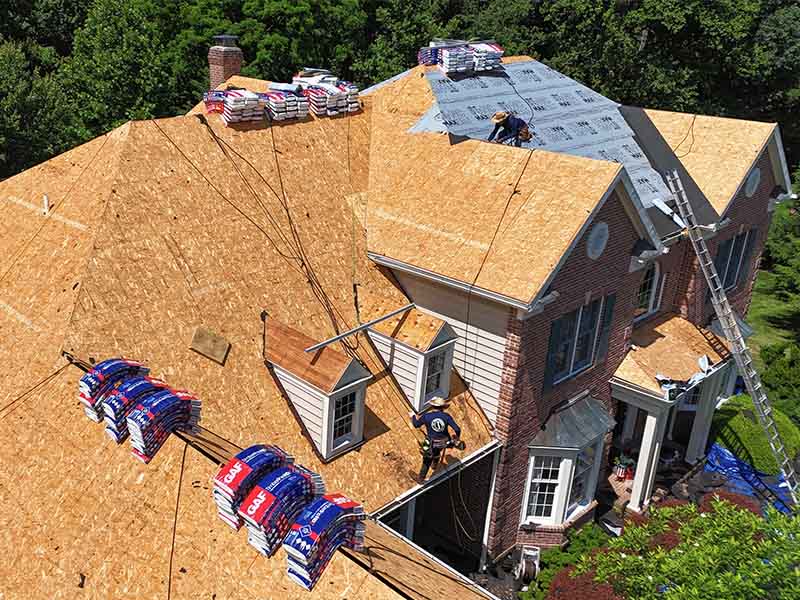
As temperatures drop in Maryland and Pennsylvania, you might wonder whether your roof is ready for another winter. Snow, ice, and freezing temperatures can be hard on an aging roofing system, especially if you’ve already noticed damaged shingles or signs of moisture.
If your roof is showing its age, replacing it before winter could help you avoid more expensive problems. However, a complete replacement isn’t always necessary, and waiting until spring may be reasonable in some situations.
The right decision depends on your roof’s condition, the severity of existing damage, and how well it can withstand the months ahead.
How Winter Weather Affects an Aging Roof
Winter creates challenges that can expose weaknesses in your roofing system. As temperatures fluctuate, roofing materials expand and contract, potentially worsening existing cracks or gaps. Snow and ice can also trap moisture against vulnerable areas, increasing the possibility of water infiltration.
One concern is the freeze-thaw cycle. When water enters small openings and freezes, it expands, potentially enlarging existing damage. Repeated freezing and thawing can gradually compromise deteriorated roofing materials, especially around flashing, roof penetrations, and damaged shingles.
Accumulated snow adds weight to your roof, while melting snow can find its way beneath compromised materials. If moisture reaches your roof decking or attic, the resulting damage may extend to insulation and interior surfaces.
A roof in good condition is designed to handle typical seasonal weather. However, existing damage can make winter conditions more difficult to manage, which is why it’s worth assessing your roof before temperatures fall.
7 Warning Signs Your Roof May Need Replacement
Your roof doesn’t need to be leaking to show signs of deterioration. Some problems develop gradually, while others appear after severe weather. Recognizing these warning signs can help you determine when professional attention is necessary.
1. Your Roof Is Approaching the End of Its Lifespan
Many asphalt shingle roofs last approximately 20 to 30 years, although their lifespan depends on material quality, installation, ventilation, and weather exposure. As shingles age, they gradually lose their protective properties and become more susceptible to damage.
If your roof is nearing its expected lifespan, its age alone doesn’t mean replacement is necessary. However, an inspection can help determine how much useful life remains.
2. You’re Seeing Missing, Cracked, or Curling Shingles
Damaged shingles can leave underlying roofing materials exposed to precipitation. Missing shingles create obvious openings, while cracked or curling shingles may struggle to shed water effectively.
An isolated problem may only require repairs, but widespread shingle deterioration often suggests that the roofing system is reaching the end of its service life.
3. You’ve Noticed Water Stains or Interior Leaks
Discoloration on ceilings, damp attic insulation, or moisture around roof penetrations may indicate water intrusion. These problems can develop gradually, making them easy to overlook until visible damage appears.
Even a small leak deserves attention because prolonged moisture exposure can damage insulation, drywall, and wooden components. Identifying the source is essential before deciding how to address it.
4. Your Roof Appears to Be Sagging
A sagging or uneven roofline may indicate damaged decking, weakened structural components, or prolonged moisture exposure. Unlike ordinary surface wear, these conditions can raise concerns about your roof’s structural integrity.
If you notice sagging, avoid walking on the roof and arrange a professional evaluation promptly. Additional snow loads could make an already compromised structure more vulnerable.
5. You’re Finding Excessive Shingle Granules
Asphalt shingles have protective granules that gradually wear away with age. While some granule loss is normal, excessive accumulation in gutters or around downspouts may indicate advanced deterioration.
Bare patches or visibly worn shingles are additional reasons for concern. These conditions suggest the material’s protective surface may be deteriorating.
6. Your Roof Has Sustained Significant Storm Damage
Strong winds, hail, and falling branches can loosen shingles, damage flashing, or puncture roofing materials. Some storm damage isn’t immediately visible from the ground and may go unnoticed until moisture enters your home.
If your property recently experienced severe weather, having the roof evaluated can help identify damage before additional exposure makes it worse.
7. You’re Dealing With Recurring Repairs
Occasional roof repairs are normal, but repeated problems in different areas can indicate that your roofing system is deteriorating. As repairs accumulate, maintaining the existing roof may become less economical.
If you’re frequently addressing new leaks or replacing damaged materials, it may be time to consider whether a new roofing system would provide better long-term value.
What You Gain by Scheduling Replacement in the Fall
If your roof needs replacement, fall can offer a convenient opportunity to complete the project. Moderate temperatures often provide favorable working conditions, and scheduling before winter gives you time to make decisions without the urgency of an active roofing emergency.
Planning ahead offers several practical benefits:
- More scheduling flexibility: Coordinate installation before severe winter weather.
- Time to compare materials: Choose a roofing system suited to your home and budget.
- Reduced emergency risk: Address existing vulnerabilities before winter storms.
- Better preparation: Allow time for estimates, material selection, and project planning.
Replacing a deteriorating roof also provides an opportunity to evaluate related components, including attic ventilation and insulation. Addressing deficiencies in these areas can support moisture control and improve indoor comfort.
Although fall isn’t the only suitable season for roof installation, completing a necessary replacement before winter can help you enter the colder months with greater confidence in your home’s protection.
What Happens if You Wait Until Winter?
You can replace a roof during winter, but cold-weather installation requires additional planning. Asphalt shingles may become less flexible in low temperatures, and their adhesive sealing strips can take longer to activate without sufficient warmth.
Roofing manufacturers establish installation requirements for their products, including procedures for colder conditions. Depending on the material and weather, additional sealing measures may be necessary to ensure proper installation.
Snow, ice, and strong winds can also create unsafe working conditions. These factors may delay your project until temperatures and roof conditions are suitable.
If your roof has extensive damage, waiting until spring isn’t always the best option. A roofing professional can determine whether winter installation is appropriate or whether temporary protection is needed until permanent work can proceed.
Repair or Replace? Making the Right Investment
The decision between repairing and replacing your roof should consider more than the cost of the immediate work. Your roof’s remaining lifespan, the extent of deterioration, and the reliability of previous repairs all affect which option makes sense.
Roof repair is often appropriate when damage is limited, and the surrounding materials remain in good condition. For example, replacing a few shingles damaged by wind may restore protection without requiring a complete replacement.
Roof replacement becomes more practical when problems affect large sections of the roof or when repairing one area is unlikely to prevent deterioration elsewhere. In those circumstances, repeated repairs may provide diminishing value.
Consider how long you plan to stay in your home, your available budget, and the likelihood of future maintenance. A professional roof evaluation can help you compare the costs and expected benefits of each option before committing to a major project.
Understanding the Cost of a New Roof
Roof replacement costs vary based on your home’s size, roof design, material selection, and installation requirements. A steep or complex roof typically requires more labor than a straightforward design, while features such as chimneys and skylights may require specialized flashing work.
The condition of the existing roofing system also matters. Once old materials are removed, contractors may discover damaged decking that needs replacement before new roofing can be installed.
When reviewing estimates, make sure they clearly explain:
- Roofing materials: Shingles, underlayment, flashing, and related products
- Labor: The installation scope and required work
- Removal: Disposal of existing roofing materials
- Unexpected repairs: How concealed damage will be handled
- Warranty coverage: Available material and workmanship protections
A detailed estimate helps you understand the complete project rather than focusing exclusively on the initial price. Comparing the scope of work is especially important when proposals differ significantly.
Protecting Your Roof When Replacement Must Wait
Sometimes, replacing your roof before winter isn’t practical. If your existing roofing system can safely remain in service, preventive maintenance may help limit further deterioration until you’re ready to move forward.
Focus on addressing immediate vulnerabilities and keeping drainage systems functioning properly. Before freezing weather arrives:
- Have active leaks and damaged flashing repaired.
- Replace loose or missing shingles.
- Remove debris from gutters and downspouts.
- Check your attic for moisture or water stains.
- Arrange professional attention for structural concerns.
If you’ve experienced ice dams, your attic may also need attention. Inadequate insulation or air sealing can allow heat to escape, contributing to uneven roof temperatures and snowmelt that refreezes along colder roof edges.
Avoid climbing onto icy or snow-covered roofing surfaces. If damage is extensive or there’s an active leak, professional guidance can help you determine whether temporary repairs will provide sufficient protection.
Roofing Expertise You Can Count On
When you’re considering a roof replacement, you deserve straightforward guidance and a clear understanding of your options. Choosing the right materials and installation approach can make a significant difference in your roof’s long-term performance.
AC Matthews Roofing & Exteriors serves homeowners throughout Maryland and Southern Pennsylvania with roofing repair and replacement services. As a GAF Master Elite Roofing Contractor, we offer roofing systems that include asphalt shingles, metal, synthetic slate, and flat roofing options.
We understand that a new roof is a substantial investment. Our team emphasizes clear communication, transparent pricing, and practical recommendations to help you choose the right solution for your property. Whether you’re concerned about aging materials or damage from a recent storm, we’re here to help you understand your next steps.
Get Your Home Winter-Ready With AC Matthews Roofing & Exteriors
Your roof doesn’t have to be perfect to withstand winter, but it does need to be in dependable condition. If you’re noticing signs of deterioration, taking action before freezing weather arrives can help prevent more serious problems.
Our team at AC Matthews Roofing & Exteriors can help you determine whether repairs will meet your needs or whether a new roof is the better long-term investment. We’ll work with you to find a practical solution that fits your home and budget.
Contact AC Matthews Roofing & Exteriors today to schedule your roof inspection and prepare your home for the season ahead.