In Pennsylvania, your roof has to handle all extremes of weather. Heavy snow, ice dams, frequent freeze-thaw cycles, spring rainstorms, summer heat, humidity, and strong seasonal winds. These conditions make durability and performance essential for your home, especially if you’re planning for a new roof or a full roof replacement.
If you’re exploring alternatives beyond traditional asphalt shingles, synthetic slate roofing may already be on your list. It offers the elegant appearance of natural slate while eliminating many of the weight, maintenance, and structural concerns associated with stone roofing. For homeowners who want a premium look without sacrificing practicality, synthetic slate can be an excellent roofing option.
This guide from AC Matthews Roofing and Exteriors is designed to help you decide whether synthetic slate roofing is right for your home. You’ll learn how it performs in local weather, its typical lifespan and costs, and when it makes sense for your home.
What Is Synthetic Slate Roofing
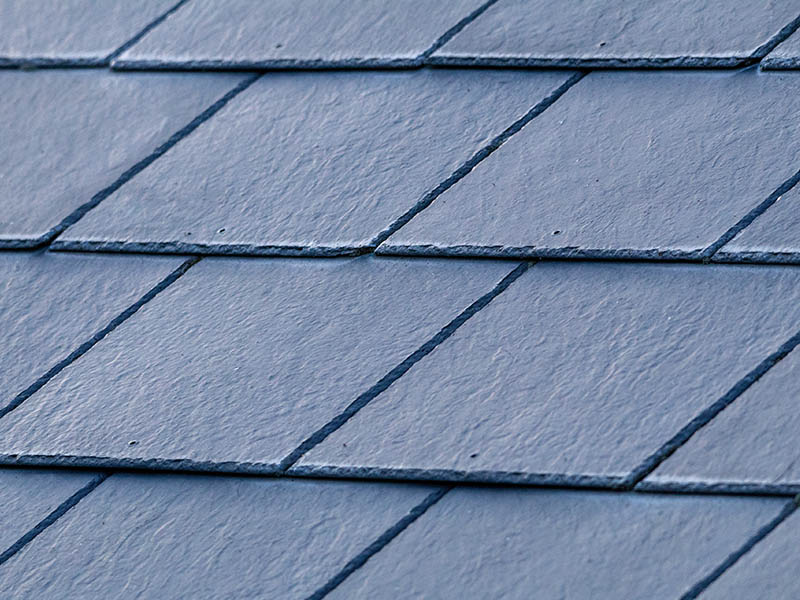
Synthetic slate roofing is a manufactured roofing material designed to replicate the look of natural slate tiles. Instead of being quarried from stone, synthetic slate is made from engineered polymers, rubber composites, or recycled materials that are molded into slate-style shapes. These materials are carefully selected to replicate the texture and dimensional depth of real slate, while enhancing durability and performance.
If you love the classic slate look but don’t want to worry about excessive weight or structural reinforcement during a roof replacement, synthetic slate offers a practical alternative. It delivers the aesthetic appeal of traditional slate while being lighter, more adaptable, and often more budget-friendly for modern homes.
Why Synthetic Slate Roofing Is Popular With Pennsylvania Homeowners
Synthetic slate roofing has become increasingly popular among homeowners in Pennsylvania, particularly those with traditional or historic-style homes. Many houses across the state were originally designed with slate roofs in mind, and synthetic slate allows you to maintain that timeless aesthetic while upgrading to modern performance standards.
The weather in Pennsylvania is another major factor. Many modern synthetic slate products are designed with impact resistance and UV protection, which are especially important in Pennsylvania’s changing climate.
Many homeowners are also thinking long-term. When you begin your research into a roof replacement, you’re likely looking for materials that enhance curb appeal, reduce maintenance, and add value to your home. Synthetic slate checks all of those boxes while offering a distinctive, high-end appearance.
Key Benefits of Synthetic Slate Roofing for Your Home
Synthetic slate roofing offers several advantages that make it an appealing option for homeowners throughout Pennsylvania.
Lightweight Construction
One of the biggest advantages is weight. Natural slate can weigh two to three times more than synthetic alternatives, often requiring structural reinforcement. Synthetic slate is lightweight, which means most homes can support it without costly modifications during the roof replacement process.
Strong Impact Resistance
Many synthetic slate products are designed to withstand hail, falling branches, and storm debris. This impact resistance helps reduce the likelihood of frequent roof repair and replacement issues caused by severe weather.
Consistent, High-End Appearance
Because synthetic slate tiles are manufactured, they provide consistent color, thickness, and shape. This results in a clean, uniform look that enhances curb appeal and complements a wide range of home styles.
Efficient Installation
Synthetic slate is easier to cut and install than natural stone. When installed by an experienced roof replacement contractor like AC Matthews, the process is more efficient while still meeting high-quality standards.
Reduced Maintenance Over Time
Synthetic slate resists moisture absorption, moss growth, and cracking better than natural slate. This means fewer maintenance concerns and lower long-term roof repair costs for your home.
Potential Drawbacks of Synthetic Slate Roofing
While synthetic slate roofing offers many benefits, it’s important to understand the drawbacks before committing to a new roof. Knowing these factors upfront allows you to make a confident, well-informed decision when choosing a roofing system.
Higher Upfront Cost Than Asphalt Shingles
Synthetic slate typically costs more upfront than standard asphalt shingles. If your primary focus is the lowest initial price, this difference may stand out during the early planning stages of your roof replacement. However, many homeowners find that the higher upfront investment is balanced by synthetic slate’s longer lifespan, improved durability, and reduced maintenance needs.
When you consider the full cost of ownership, synthetic slate often delivers strong long-term value rather than short-term savings alone. This makes your investment in a synthetic slate roof well worth it.
Product Quality Varies
As with any roofing material, not all synthetic slate products perform the same. Lower-quality options may fade, lose flexibility, or show signs of wear sooner than expected, especially when exposed to Pennsylvania’s changing weather conditions. This makes product selection an important part of achieving long-term performance from your new roof.
When you partner with AC Matthews, you benefit from our commitment to quality at every stage of the roof installation process. We take pride in using high-quality synthetic slate roofing materials that we know will hold up. Paired with our team’s industry-leading installation practices and thorough adherence to local building codes, you get a roof that performs and lasts as intended.
Synthetic Slate Roofing Costs for Pennsylvania Homeowners
It is common for total roof replacement costs to range from $18,000 to $35,000, though this number is impacted by multiple factors.
Your final cost depends on:
- The size and pitch of your roof
- Architectural features such as dormers, valleys, and chimneys
- The specific synthetic slate product selected
- Underlayment, flashing, and ventilation requirements
- Removal of existing roofing materials
Given the unique nature of every roof replacement, online estimated roofing costs should only be used as informational. It’s always best to speak with an experienced roofing contractor for an accurate roofing estimate.
Since cost is often a driving factor in the decision-making process, we’re proud to provide free estimates. This allows you to explore your roofing options without feeling pressured to commit before you’re confident in your choice. We also take the time to provide you with our honest recommendations on what would work best for your home.
Our goal isn’t to sell you any roofing system; it’s to sell you the roofing system that will provide you the best return on your investment.
How Synthetic Slate Performs in Pennsylvania Weather
From heavy snowfall and ice in the winter to rainstorms, humidity, and high winds, your roof is constantly under stress. That’s why choosing a material that can adapt to these conditions is important when you’re investing in a roof replacement. Synthetic slate roofing is engineered with these challenges in mind, making it a reliable option for homeowners across the state.
Snow and Ice Conditions
Winter weather is one of the toughest tests for any roofing system. Snow accumulation and repeated freeze-thaw cycles can cause cracking, shifting, and moisture intrusion in less durable materials. Synthetic slate absorbs very little moisture, which significantly reduces the risk of freeze-thaw damage as temperatures fluctuate.
When installed with proper underlayment, flashing, and ventilation, synthetic slate roofing also helps minimize ice dam formation. Effective water shedding and airflow allow melting snow to drain properly, reducing the chance of water backing up under the roof and causing interior damage. This added protection is especially valuable if your home has a complex roof design or shaded areas that hold snow longer.
Heavy Rain and High Humidity
Pennsylvania often experiences extended periods of rain, particularly in the spring and fall. Synthetic slate roofing systems are designed with overlapping tiles and water-resistant underlayments that work together to channel water away from your home.
This layered design provides an added line of defense against leaks during heavy downpours and prolonged wet conditions. Synthetic slate also resists moisture absorption, which helps prevent warping, swelling, and mold growth—common issues that affect other roofing materials over time.
Summer Heat and UV Exposure
While winters are demanding, summer conditions can be just as hard on your roof. Prolonged heat and direct sunlight can cause some roofing materials to fade, become brittle, or break down prematurely. Many synthetic slate products are manufactured with built-in UV inhibitors that help protect against sun damage.
These UV-resistant properties leave your roof better equipped to maintain its appearance and performance over time, even during periods of intense heat and sun exposure.
Wind and Severe Storm Resistance
Strong winds and severe storms are common throughout many parts of Pennsylvania, especially during transitional seasons. Synthetic slate roofing is designed to be securely fastened and interlocked, helping it stay in place during high-wind events.
When installed by a qualified roofing contractor, synthetic slate can meet or exceed local wind-resistance requirements. Proper fastening techniques, flashing details, and edge protection all play a role in ensuring your roof remains secure during storms, reducing the risk of lifted or missing tiles and the need for emergency roof repairs.
Synthetic Slate vs. Other Roofing Options
If you’re researching roof replacement, comparing synthetic slate to other common roofing materials can help you make your decision with confidence. Each option offers different benefits in terms of cost, appearance, durability, and long-term value. The comparisons below highlight the most important differences you should consider.
Synthetic Slate vs. Natural Slate
Natural slate is known for its exceptional longevity and timeless appearance, but it also comes with significant weight and higher installation costs. Many homes require structural reinforcement before natural slate can be installed, which adds time and expense to a roof replacement project.
Synthetic slate delivers a very similar look without the added weight, making it compatible with most residential structures. For many homeowners, synthetic slate offers the aesthetic appeal of slate with a more manageable installation process and lower overall cost.
Synthetic Slate vs. Asphalt Shingles
Asphalt shingles are the most common roofing material due to their affordability and ease of installation. However, they typically last 20 to 30 years and may require more frequent repairs over time, especially in Pennsylvania’s climate.
Synthetic slate offers greater durability, stronger resistance to weather-related damage, and a longer expected lifespan. If you’re focused on long-term value and reduced maintenance rather than the lowest upfront cost, synthetic slate can be a worthwhile upgrade.
Synthetic Slate vs. Metal Roofing
Metal roofing is highly durable and energy-efficient, making it a strong option for many homeowners. Its appearance, however, tends to be more modern and may not complement traditional or historic home styles.
Synthetic slate is often preferred when you want a classic, refined look that blends seamlessly with established neighborhoods. It also provides strong weather resistance without changing the architectural character of your home.
When Synthetic Slate Is the Right Choice for Your Home
Synthetic slate roofing may be the right choice for you if:
- You want a high-end look without the weight of natural stone
- Your home has traditional or historic architectural features
- You want to minimize long-term roof repair needs
- You plan to stay in your home long-term and value durability
If you’re unsure whether synthetic slate is the best option, our team can help you compare materials based on your home’s structure, budget, and long-term goals.
Why Professional Installation Matters for Home Roof Replacement
No matter which roofing material you choose, proper installation plays a major role in how well your roof performs. Synthetic slate roofing is no exception and requires precise fastening, alignment, flashing, and ventilation.
Professional installation ensures:
- Manufacturer warranties remain valid
- Local building codes are met
- Your roof achieves its full expected lifespan
- The risk of premature roof failure is minimized
Protect Your Home With a Synthetic Slate Roof Installed by AC Matthews
Synthetic slate roofing isn’t the right fit for every home, but for many Pennsylvania homeowners, it offers a balance of durability, appearance, and long-term value that’s hard to ignore. The key is ensuring the material is the right choice for your home and is installed with the necessary level of care. That’s where experience matters most.
AC Matthews Roofing and Exteriors has spent decades installing, repairing, and inspecting roofs across Pennsylvania, working on homes that face the same weather challenges you do. Our local experience shapes every recommendation, from material selection to installation proposal, so you get a roof that performs for years to come.
If you’re considering synthetic slate roofing or want an expert opinion before committing to a roof replacement, AC Matthews is ready to help. Schedule a free, no-obligation estimate today and get straightforward guidance from Pennsylvania’s top roofing company.