



Your roof doesn’t need missing shingles or visible storm damage to develop a leak. Chimneys, skylights, and vents create openings in your roofing system that require specialized waterproofing. When the materials protecting these openings deteriorate or fail, water can enter your home even if the surrounding shingles appear undamaged.
Understanding what causes roof leaks around chimneys, skylights, and vents can help you recognize problems before they result in extensive water damage. Whether you’ve noticed a ceiling stain or want to prevent future roofing issues, knowing how these vulnerable areas function can help you make informed decisions about roof maintenance and repairs.
Why Are Roof Penetrations More Susceptible to Leaks?
Roof penetrations are openings that accommodate structures or components extending through your roof. Unlike uninterrupted sections of roofing, these areas require additional waterproofing to maintain a protective barrier against moisture.
Roof flashing provides much of this protection. Typically made from weather-resistant metal, flashing directs water away from seams and connections, helping prevent moisture from reaching the underlying roof decking.
Each penetration has different structural and drainage requirements that influence how its flashing and waterproofing materials need to be installed. Even a relatively new roof can develop leaks if these connections aren’t properly constructed.
Common Causes of Roof Leaks Around Chimneys
Your chimney creates several transitions where roofing materials meet masonry. Although flashing protects these connections, the condition of your chimney itself also influences how effectively it resists moisture.
Damaged or Improperly Installed Chimney Flashing
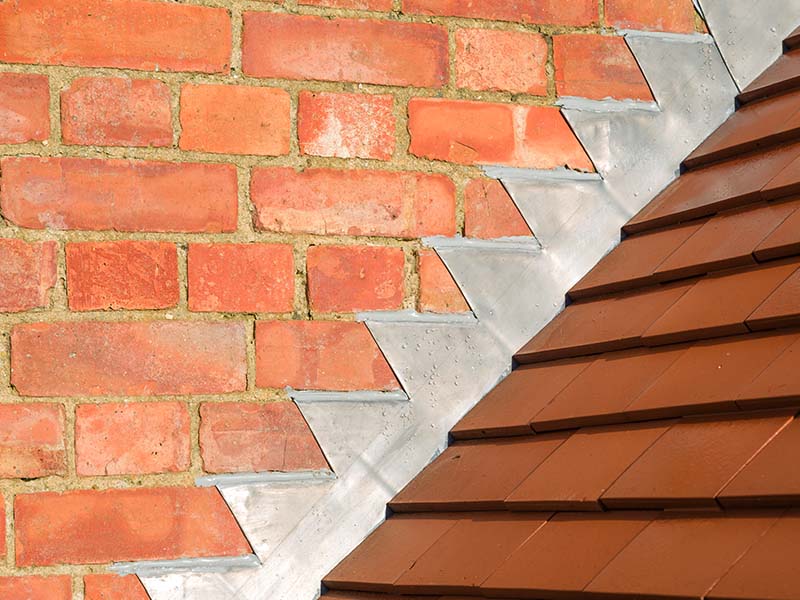
On a shingle roof, chimney flashing typically consists of step flashing integrated with the shingles and counterflashing that overlaps it along the masonry. These components work together to direct water away from the chimney’s base.
When flashing becomes loose, corroded, or damaged, moisture can enter through exposed gaps. Installation mistakes, such as insufficient overlap or excessive reliance on sealant, can also result in recurring chimney leaks.
Deteriorating Mortar and Masonry
Prolonged exposure to the elements can cause chimney mortar and brickwork to deteriorate. As cracks develop and mortar joints weaken, water can penetrate the masonry rather than drain safely onto your roof.
Moisture entering through deteriorated masonry may eventually reach interior walls or ceilings. Repairing the roof flashing alone won’t resolve a leak originating within the chimney structure.
Damaged Chimney Crowns and Caps
The chimney crown protects the top of the masonry structure, while the chimney cap helps prevent precipitation from entering the flue. A cracked crown or damaged cap can allow rainwater to enter from above.
If moisture continues appearing near your fireplace despite having intact roof flashing, a qualified chimney specialist may need to evaluate these components.
What Causes Roof Leaks Around Skylights?
Like chimneys, skylights depend on effective flashing to keep their connection with your roof watertight. However, their glass and frame assemblies introduce additional potential sources of moisture that require careful attention.
Improperly Installed Skylight Flashing
Skylight flashing redirects rainwater around the frame and onto the roof surface. If the flashing doesn’t follow the manufacturer’s installation specifications, water may travel beneath nearby shingles.
Incompatible flashing materials or a skylight installation that doesn’t accommodate your roof’s slope can also interfere with proper drainage and increase the risk of leaks.
Deteriorating Skylight Seals
The seals and gaskets within your skylight help prevent water from entering around the glass and frame. As these materials age, they may lose their ability to maintain a watertight connection.
Unlike flashing-related problems, these leaks originate within the skylight assembly. Depending on its age, design, and condition, your skylight may need component repairs or replacement.
Condensation Mistaken for a Skylight Leak
Moisture around your skylight doesn’t necessarily indicate a roof leak. When warm, humid indoor air contacts cold skylight glass, condensation can form and drip onto nearby surfaces.
If moisture appears during cold weather without accompanying precipitation, indoor humidity or insufficient insulation around the skylight may contribute to the problem. Distinguishing condensation from an exterior leak can help you avoid unnecessary roofing repairs.
Why Do Roofs Leak Around Plumbing Vents and Exhaust Pipes?
Although plumbing vents and exhaust pipes create smaller roof openings than chimneys and skylights, they still require reliable waterproofing. Their seals and flashing can deteriorate independently of your roof, making them easy to overlook during routine maintenance.
Cracked or Deteriorated Pipe Boots
A pipe boot is a flashing assembly that fits around a pipe extending through your roof. Many designs feature a flexible rubber collar that creates a watertight connection around the pipe.
As the collar ages, it can become brittle, shrink, or crack. Once a gap develops, rainwater can travel along the pipe and into your attic, potentially damaging insulation and nearby ceilings.
Loose Vent Flashing and Fasteners
The base of a roof vent must be properly secured and integrated with your roofing system. Loose flashing can create openings where water enters beneath the vent assembly.
Exposed fasteners may also become a source of leaks if their protective seals deteriorate. In these situations, moisture enters through the vent’s connection to your roof rather than around the pipe itself.
Damaged Vent Covers
Certain attic and exhaust vents feature protective housings designed to accommodate airflow while limiting precipitation entry. Cracks, missing sections, or storm-related damage can compromise this protection.
When a vent cover fails, wind-driven rain may enter directly through the opening. Even properly installed flashing can’t compensate for a damaged vent housing.
How Weather Contributes to Roof Penetration Leaks
Regardless of the type of roof penetration, weather conditions can influence how quickly a minor defect becomes a noticeable leak. The direction of rainfall, temperature changes, and restricted drainage can all affect how water reaches vulnerable areas.
Several weather conditions can contribute to roofing problems:
- Heavy rainfall: Increases the amount of water flowing around roof penetrations.
- Strong winds: Drive rain into openings that may remain dry during lighter storms.
- Freeze-thaw cycles: Cause trapped moisture to expand and widen existing cracks.
- Ice dams: Allow melting snow to back up beneath roofing materials.
- Temperature fluctuations: Place stress on connections as different materials expand and contract.
These conditions can explain why your roof leaks during one storm but remains seemingly dry during another. Paying attention to the weather when moisture appears can provide useful clues about the source of your leak.
How to Identify Roof Leaks Around Chimneys, Skylights, and Vents
Water can travel along rafters and roof decking before becoming visible inside your home. As a result, the location of a ceiling stain doesn’t always correspond directly with the leak’s entry point.
Look for the following indications of moisture intrusion:
- Brown or yellow ceiling stains
- Bubbling paint or peeling drywall
- Damp or discolored attic insulation
- Persistent musty odors
- Water stains around skylight frames or chimney walls
Photograph affected areas and note when the moisture first appears. This information can help your roofing contractor investigate the problem, particularly if the leak isn’t active during your inspection.
Visible Signs of Exterior Damage
From ground level, you may be able to identify separated flashing, cracked chimney masonry, or displaced vent covers. Binoculars can provide a closer view without requiring you to climb onto your roof.
However, damage concealed beneath shingles and flashing can be difficult to detect from below. Rather than risking your safety or attempting repairs without knowing the source, arrange a professional roof inspection.
How Are Roof Leaks Around Roof Penetrations Repaired?
Effective roof leak repair starts with determining where water enters your home and whether it has damaged underlying materials. A professional inspection helps establish whether the problem is isolated to a particular component or affects a larger portion of your roofing system.
Depending on the source and severity of the leak, repairs may include:
- Replacing compromised flashing
- Installing new pipe boots
- Replacing damaged shingles
- Restoring affected underlayment or roof decking
A localized repair may be sufficient if the rest of your roof remains in good condition. However, widespread deterioration or extensive underlying damage may make roof replacement a more practical long-term investment.
How to Prevent Roof Leaks Around Chimneys, Skylights, and Vents
You don’t have to wait until water enters your home to address vulnerable areas of your roof. Establishing a regular maintenance routine can help you stay ahead of developing problems and preserve the condition of your roofing system.
Consider incorporating these practices into your home maintenance routine:
- Arrange seasonal inspections: Have your roof professionally evaluated in the spring and fall.
- Maintain proper drainage: Keep gutters clear and arrange for safe removal of accumulated roof debris.
- Schedule post-storm inspections: Have your roof checked following severe weather.
- Keep maintenance records: Document previous repairs and inspection findings.
When an inspection reveals a problem, avoid postponing recommended repairs until you notice interior water damage. Addressing deterioration early can help preserve unaffected roofing materials and limit repair costs.
Protect Your Home With Professional Roof Leak Repair
Whether your roof has damaged chimney flashing, deteriorating skylight seals, or a cracked pipe boot, identifying the source of the leak is the first step toward protecting your home. Prompt attention can prevent moisture from spreading and help you avoid more extensive repairs.
Our team at AC Matthews Roofing & Exteriors is here to help you address roofing problems before they become more serious. We’ll discuss your concerns and help you determine an appropriate roofing solution based on your home’s needs.
Don’t wait for a small leak to cause costly water damage. Contact AC Matthews Roofing & Exteriors today to request a professional roof inspection.