



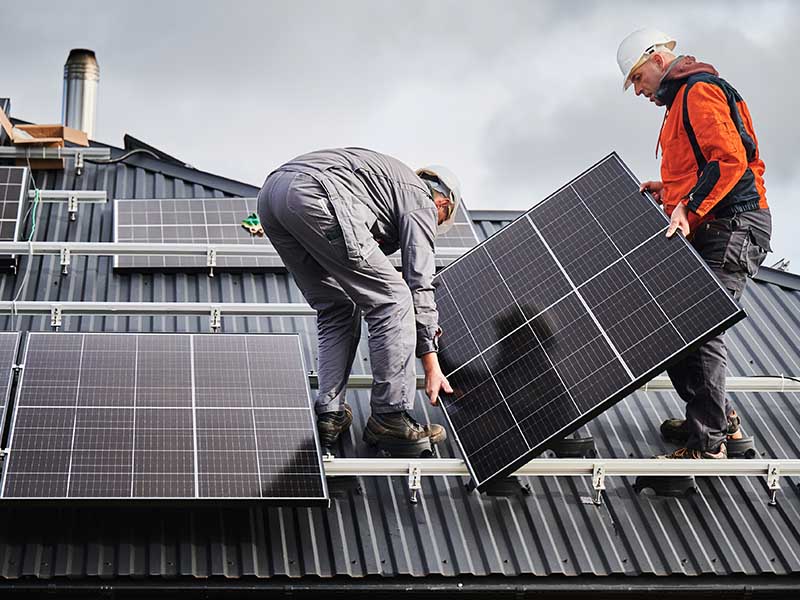
Solar energy continues to gain momentum as a smart solution for property owners seeking both environmental responsibility and long-term financial value. As energy costs rise and sustainability becomes a priority, solar power offers a practical way for you to take control of your energy usage while reducing your reliance on traditional power sources.
Beyond the immediate appeal of lower utility bills, solar energy delivers lasting benefits that extend well into the future. From reducing carbon emissions to increasing energy independence and protecting against unpredictable utility rate increases, solar power represents an investment in both your property and the environment.
Understanding these advantages—and the role your roofing system plays in supporting them—allows you to make informed decisions that maximize the long-term impact of your solar investment.
Reducing Your Reliance on Fossil Fuels
Traditional electricity production depends heavily on fossil fuels such as coal, oil, and natural gas. These energy sources are finite, environmentally damaging, and increasingly expensive. When you have a solar energy system installed, you significantly reduce your dependence on these fuels by generating clean electricity directly from sunlight.
Producing power on-site means you rely less on centralized energy grids that are often powered by nonrenewable resources. This shift not only helps reduce demand for fossil fuels but also gives you greater control over your energy consumption. For homeowners and businesses alike, reducing reliance on fossil fuels supports long-term energy stability and lessens exposure to market volatility caused by fuel shortages or geopolitical factors.
Supporting Long-Term Sustainability Efforts
Solar energy plays an important role in long-term sustainability initiatives at both the individual and community levels. By choosing renewable energy, you contribute to broader efforts aimed at reducing environmental strain and transitioning toward cleaner power sources.
Over the lifespan of a solar energy system, the cumulative environmental benefits add up. Each year your system operates, it offsets electricity that would otherwise be produced through fossil fuel combustion.
This ongoing reduction supports cleaner infrastructure and helps move local and regional energy systems toward sustainability. For property owners who value responsible development and long-term planning, solar energy offers a tangible way to align energy usage with sustainability goals.
Lower Air Pollution and Improve Local Air Quality
The local benefits of turning to solar energy also include the reduction in air pollution from your home. Electricity generated from fossil fuels contributes to air pollution that affects environmental quality and public health. Emissions released during traditional power generation can lead to smog, respiratory issues, and environmental degradation.
Solar energy produces electricity without releasing pollutants into the air. When you generate clean energy on your property, you help reduce local air pollution and support healthier communities. While the impact of a single system may seem incremental, widespread solar adoption leads to meaningful improvements in air quality over time—particularly in growing residential and commercial areas.
Lowering Your Utility Bills
One of the most immediate benefits you experience after installing solar panels is a reduction in your monthly utility bills. By generating your own electricity, you offset the amount of power you need to purchase from your local utility provider. In many cases, this results in noticeable savings from the first billing cycle.
As utility rates continue to increase, solar energy provides a measure of protection against these rising costs. Rather than remaining fully exposed to fluctuating rates, you gain a level of predictability that makes budgeting easier. For commercial properties with high energy demand, these savings can significantly improve operating margins over time.
Increasing Energy Independence and Cost Stability
Energy independence is a growing concern for many property owners. Power outages, rate hikes, and grid instability highlight the limitations of relying entirely on traditional energy providers. Solar energy helps you take control by allowing you to produce electricity directly on your property.
This increased independence reduces your vulnerability to external factors affecting energy supply and pricing. Over time, the ability to generate a portion of your own power contributes to greater cost stability and long-term financial planning—especially in regions where energy demand continues to grow.
Understanding Incentives and Long-Term Return on Investment
Solar incentives play a major role in making renewable energy more accessible and financially attractive. Federal, state, and local programs are designed to encourage adoption by reducing upfront installation costs and improving long-term returns.
Common incentives include:
- The Federal Solar Investment Tax Credit (ITC)
- State or local rebates and grant programs
- Utility-sponsored incentive initiatives
- Property tax exemptions for solar improvements
- Net metering arrangements that credit excess energy production
These incentives significantly shorten payback periods, allowing you to recoup your investment more quickly. When combined with ongoing energy savings, solar energy delivers strong long-term returns.
Increasing Property Value and Market Appeal
Solar-equipped properties are becoming increasingly desirable in today’s real estate market. Lower operating costs, energy efficiency, and sustainability features appeal to buyers and tenants across residential and commercial sectors.
Properties with solar energy systems often benefit from:
- Higher resale value
- Increased buyer or tenant interest
- Competitive advantage in local markets
- Reduced long-term utility expenses
- A modern, environmentally responsible image
When your roofing system is in excellent condition, these benefits are further amplified. A well-prepared roof ensures the solar system integrates seamlessly with the structure, reinforcing the value of your investment rather than detracting from it.
Preparing Your Roof for Solar Installation
Your solar energy system can only perform as well as the roof supporting it. An aging, damaged, or poorly installed roof can compromise both the panels and the roofing system itself. Before installing solar panels, it’s critical to ensure your roof is structurally sound and capable of supporting the additional load.
A professional roof evaluation should assess:
- Roof age and remaining service life
- Structural integrity and load-bearing capacity
- Roofing material compatibility with solar mounting systems
- Ventilation and moisture management
- Flashing, penetrations, and drainage pathways
If your roof is nearing the end of its lifespan, addressing repairs or replacement before solar installation helps you avoid the costly process of removing and reinstalling panels later. At AC Matthews, we specialize in ensuring roofing systems are solar-ready. We evaluate your roof, recommend necessary upgrades, and help coordinate timing so your solar investment is protected from the start.
The Importance of Proper Roofing Support for Solar Systems
Solar panels require penetrations through your roofing system for mounting hardware. Without proper installation and coordination, these penetrations can become sources of leaks, structural issues, or warranty concerns. That’s why experienced roofing support is essential to a successful solar project.
A properly supported solar installation ensures:
- Secure, weather-tight mounting points
- Protection against water intrusion
- Even load distribution across the roof
- Long-term durability of roofing materials
- Compliance with manufacturer and building requirements
By addressing these factors upfront, you reduce risk and help ensure your solar system performs as intended throughout its lifespan.
Long-Term Maintenance Considerations for Solar Roofs
While solar panels themselves require minimal maintenance, the roof beneath them must remain in good condition. Regular inspections help identify potential issues early, preventing costly repairs and protecting both your roofing system and your solar investment.
Ongoing maintenance considerations include:
- Monitoring roofing materials around mounting areas
- Inspecting flashing and sealants
- Checking for moisture buildup or drainage changes
- Ensuring ventilation remains unobstructed
- Keeping roof surfaces clear of debris
Our team provides ongoing inspection and maintenance services that support the long-term performance of both your roof and your solar system. This proactive approach helps extend system lifespan and minimizes unexpected issues.
Choosing the Right Roofing and Solar Contractor
Many companies offer either roofing services or solar installation—but not both. When roofing and solar are handled by separate contractors, communication gaps and accountability issues can arise, often leading to delays, added costs, and avoidable complications.
Having two separate contractors for roofing and solar can result in:
- Misaligned installation timelines
- Unclear responsibility for roof penetrations and flashing
- Increased risk of leaks or structural issues
- Voided roofing or solar warranties
- Costly rework if roof issues are discovered after installation
Solar energy projects are most successful when roofing and solar expertise work together from the start. Because your roof plays such a critical role in the performance, safety, and longevity of a solar PV system, choosing a contractor with a strong understanding of both roofing systems and solar integration is essential.
When you work with AC Matthews, you benefit from:
- Roofing expertise tailored specifically to solar integration
- Honest, upfront assessments of roof readiness
- Guidance on whether repairs or replacement should occur before installation
- Long-term maintenance solutions
This integrated approach eliminates guesswork and reduces risk, ensuring your solar energy system is installed on a roofing foundation designed for long-term durability, efficiency, and performance.
A Smarter Energy Investment Starts With the Right Roof
Choosing solar is about more than adding panels to your roof—it’s a forward-thinking investment in efficiency, cost control, and long-term sustainability. When done right, solar supports your energy goals while allowing you to reduce your environmental impact and gain greater control over your financial future.
To fully realize those benefits, the system needs the right foundation. Making sure your roof is prepared removes uncertainty and protects the value of your investment from the start. AC Matthews is ready to help you take that final step with confidence by ensuring your roofing system is ready to support solar for the long term.
If you’re considering solar or planning your next roofing upgrade, we’re here to help you move forward with clarity and trust. Contact us today to schedule your roof’s inspection and discuss your plans to go solar.