


Spring is when most homeowners finally get a chance to assess how their property held up over the winter. You walk around the yard, notice what needs attention, and start planning repairs or improvements. But one of the most important areas to check isn’t always easy to see—the roof.
After a Pennsylvania winter, your roof has taken on significant stress. Snow accumulation, ice buildup, and constant temperature swings all leave their mark. While everything may look fine from the ground, numerous issues can still be present and compromise your home.
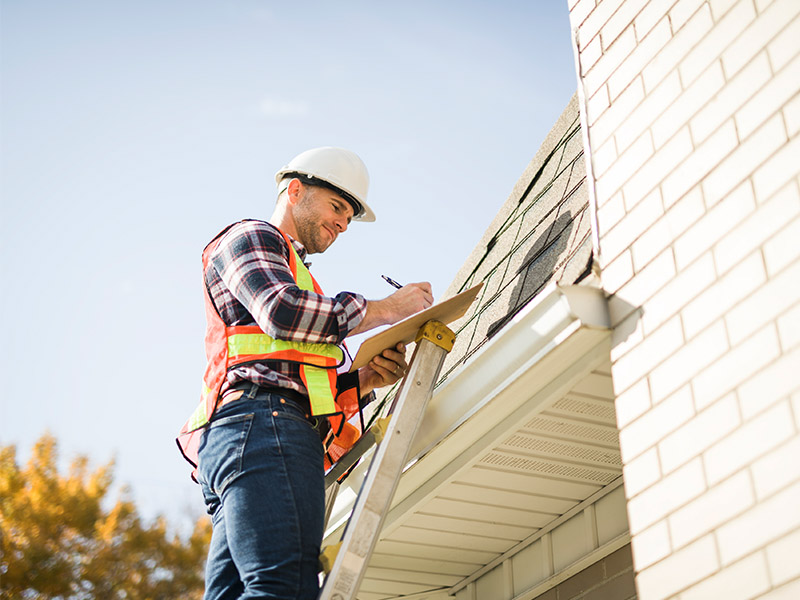
That’s why spring is such an important window to have your roof inspected by a professional roofing contractor like AC Matthews Roofing & Exteriors. This time of year provides us the chance to evaluate your roof after winter has done its damage—but before spring rain and summer storms have a chance to make things worse.
Below, we’ll walk through why seasonal spring inspections matter and how they help keep your roof in strong, reliable condition.
The Lingering Effects of Pennsylvania Winters on Roofing Systems
Pennsylvania winters are particularly tough on roofing systems because of how inconsistent they are. It’s not just the cold—it’s the constant shift between freezing and thawing that causes the most damage.
As temperatures fluctuate, roofing materials expand and contract repeatedly. Over time, that movement weakens shingles, loosens flashing, and creates small gaps where water can eventually get in. Snow adds weight, while ice buildup—especially along the edges—can trap moisture in areas where it shouldn’t sit.
What makes this especially challenging is how subtle the damage tends to be at first. You rarely see immediate failure. Instead, problems build slowly.
After winter, we commonly find:
- Shingles that have lifted, cracked, or shifted out of alignment
- Flashing that has started to separate around chimneys or vents
- Moisture that has worked its way beneath the surface layers
- Gutters that are clogged or not draining properly
Individually, these issues might not seem urgent. But together, they create conditions where water can start working its way into the home.
Why Spring Offers the Most Reliable Conditions for Inspection
Timing matters more than most people realize when it comes to roof inspections. Spring provides a set of conditions that simply aren’t available during other times of the year.
Clear Visibility After Winter
Once snow and ice are gone, the roof is fully exposed. That makes it much easier to spot areas where materials have shifted or where water may have been pooling. Valleys, edges, and drainage points become especially important to examine during this time.
Without winter conditions in the way, we’re able to get a true look at how the roof actually performed.
Moderate Temperatures Allow for Better Evaluation
Temperature affects how roofing materials behave. In colder months, materials can become brittle and hide certain types of damage. In extreme heat, they can soften, making it harder to assess their true condition.
Spring sits right in the middle. Materials are stable, which allows us to evaluate them more accurately and make better recommendations.
Small Roofing Issues Rarely Stay Small
One of the biggest misconceptions homeowners have is that a minor roofing issue can wait. In reality, small problems are usually the starting point for much larger ones.
Roofing systems are designed to keep water out, but once that barrier is compromised—even slightly—moisture begins to move through the system.
A typical progression might look like this:
- A shingle loosens or develops a small crack
- Water begins to seep underneath
- The underlayment and insulation start absorbing moisture
- Interior signs appear, such as stains or soft spots
By the time you notice something inside, the issue has often been developing for a while.
Spring inspections allow us to catch these problems at the beginning, when repairs are simpler and far less expensive.
Preparing Your Roof for Pennsylvania’s Storm Season
As winter fades, Pennsylvania moves into a season known for heavy rain, high winds, and sudden storms. These conditions can quickly expose any weaknesses left behind by winter.
A roof that hasn’t been checked is more likely to experience problems when the first major storm hits. Loose shingles can be torn away, flashing can allow water in, and clogged gutters can cause water to back up onto the roof.
That’s why we treat spring inspections as preparation, not just evaluation.
During this time, we focus on:
- Securing any loose or vulnerable shingles
- Resealing areas where flashing may have shifted
- Making sure gutters and downspouts are moving water away properly
Taking these steps early helps reduce the risk of emergency repairs and gives homeowners more confidence heading into storm season.
Extending the Lifespan of Your Roofing System
A roof is a major investment, and most homeowners want to get as many years out of it as possible. The key to that is consistent maintenance—not just reacting when something goes wrong.
Spring provides a natural checkpoint after winter wear. It’s the right time to evaluate the condition of your roof and make small corrections that keep everything functioning properly.
Different roofing systems require different approaches. Asphalt shingles, metal roofs, and flat systems all respond differently to weather conditions. What they have in common is that regular inspections help prevent premature failure.
Over time, staying proactive can:
- Add years to your roof’s lifespan
- Reduce the frequency of major repairs
- Delay the need for full replacement
Energy Efficiency Starts at the Roof Level
Many homeowners don’t immediately connect roofing issues with energy performance, but the two are closely related.
Air Loss Through the Roofing System
When there are gaps or weak points in the roof, conditioned air can escape more easily. This forces your heating and cooling systems to work harder, especially as temperatures begin to rise in late spring and summer.
Ventilation and Moisture Control
Ventilation plays a critical role in how your home regulates temperature and moisture. Poor airflow can trap heat and humidity in the attic, which not only affects comfort but can also lead to long-term damage.
During a spring inspection, we look at how the entire system is working together—not just the surface materials.
Improving these areas can lead to:
- Lower energy bills
- More consistent indoor temperatures
- Reduced strain on HVAC systems
Protecting Your Home’s Structural Integrity
Your roof does more than protect against weather—it helps maintain the structural stability of your entire home. When roofing systems begin to fail, the effects can spread quickly.
Water intrusion is the most common issue. Once moisture gets in, it can move through insulation, framing, and interior finishes. Over time, that can lead to rot, weakening, and more extensive structural damage.
During inspections, we pay close attention to early signs of deeper issues, including:
- Soft or weakened decking
- Areas where moisture may be accumulating
- Subtle sagging or uneven sections
Catching these problems early helps prevent much more complicated repairs later on.
Curb Appeal and Property Value Begin at the Roofline
The condition of your roof plays a major role in how your home looks from the outside. Even small issues can stand out and affect overall curb appeal.
Spring is a good time to take care of both function and appearance. Addressing visible wear, replacing damaged shingles, or planning upgrades can make a noticeable difference.
For homeowners thinking about selling, a well-maintained roof can:
- Improve buyer confidence
- Help avoid complications during inspections
- Support a stronger asking price
Even if you’re not planning to sell, keeping your roof in good condition helps protect the value of your home over time.
Why Professional Inspections Deliver Better Results
It’s easy to assume everything is fine based on a quick look from the ground, but roofing systems are more complex than they appear.
Many issues develop in areas that aren’t visible without getting up close, and some of the earliest warning signs are easy to miss without experience.
We take a detailed, systematic approach to inspections. That means looking at every part of the roofing system, from shingles and flashing to ventilation and drainage.
More importantly, we explain what we find in a way that’s easy to understand. You’ll know what needs attention, what doesn’t, and what to plan for moving forward.
Planning Ahead Helps You Avoid Peak Season Delays
Spring is also the best time to schedule an inspection from a practical standpoint. As summer approaches, demand for roofing services increases quickly.
Waiting too long can lead to:
- Limited availability for inspections
- Delays in getting repairs completed
- Small issues getting worse while you wait
Getting ahead of the rush makes the entire process smoother and less stressful.
Why We’re the Right Choice for Your Spring Roof Inspection
Choosing the right roofing contractor makes a big difference in the results you get. Experience, attention to detail, and clear communication all matter.
We take a straightforward approach—identify what’s going on, explain it clearly, and recommend solutions that make sense for your home or property. No guesswork, no unnecessary upselling.
We’ve worked on a wide range of roofing systems across Pennsylvania and understand how local conditions affect long-term performance. That experience allows us to catch issues early and help homeowners stay ahead of problems.
Spring gives you a valuable opportunity to take care of your roof before minor issues turn into major repairs. If it’s been a while since your last inspection, now is the time to schedule one.
Reach out today to set up your spring roof inspection and make sure your home is ready for whatever the seasons bring.